
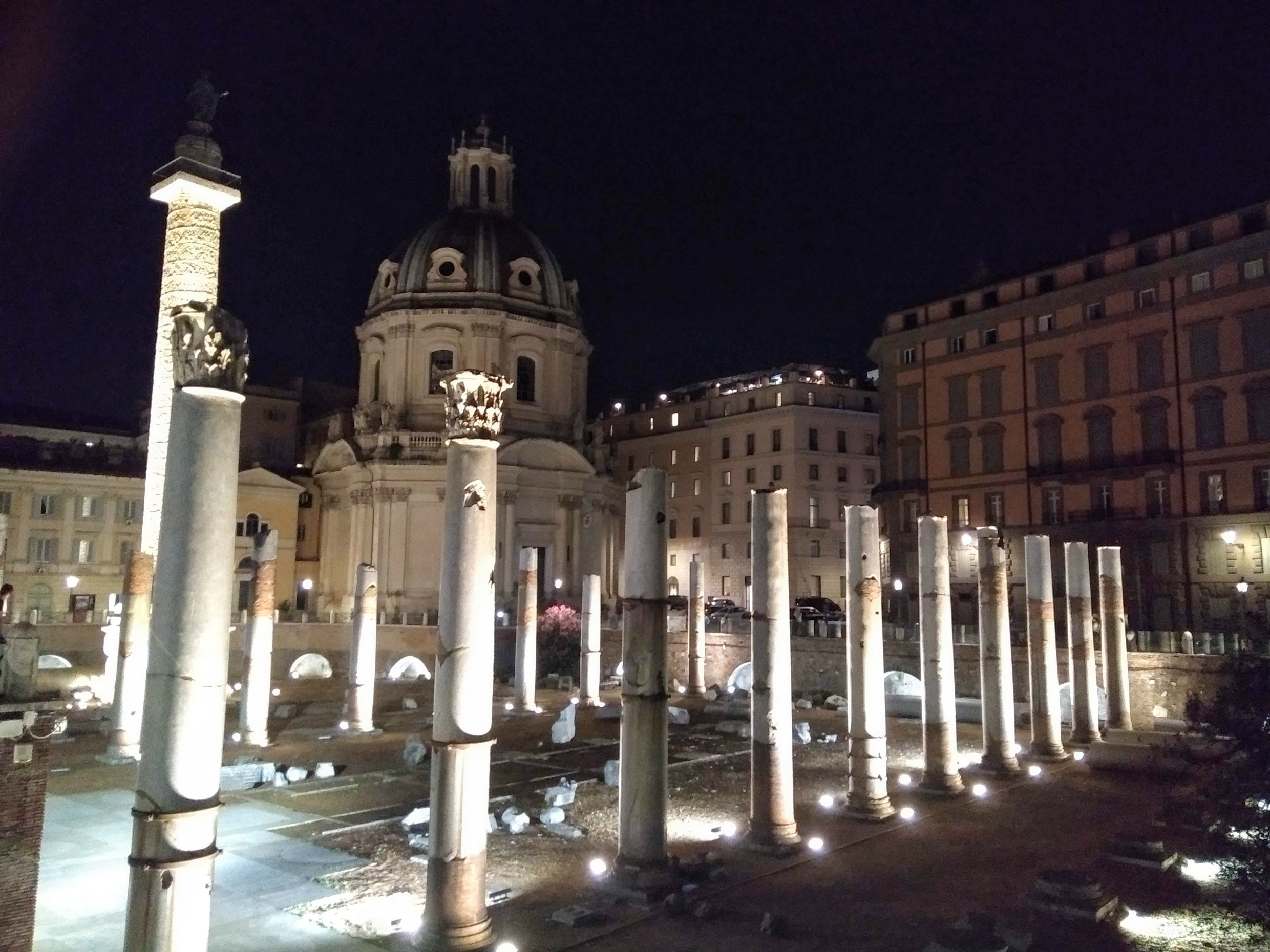
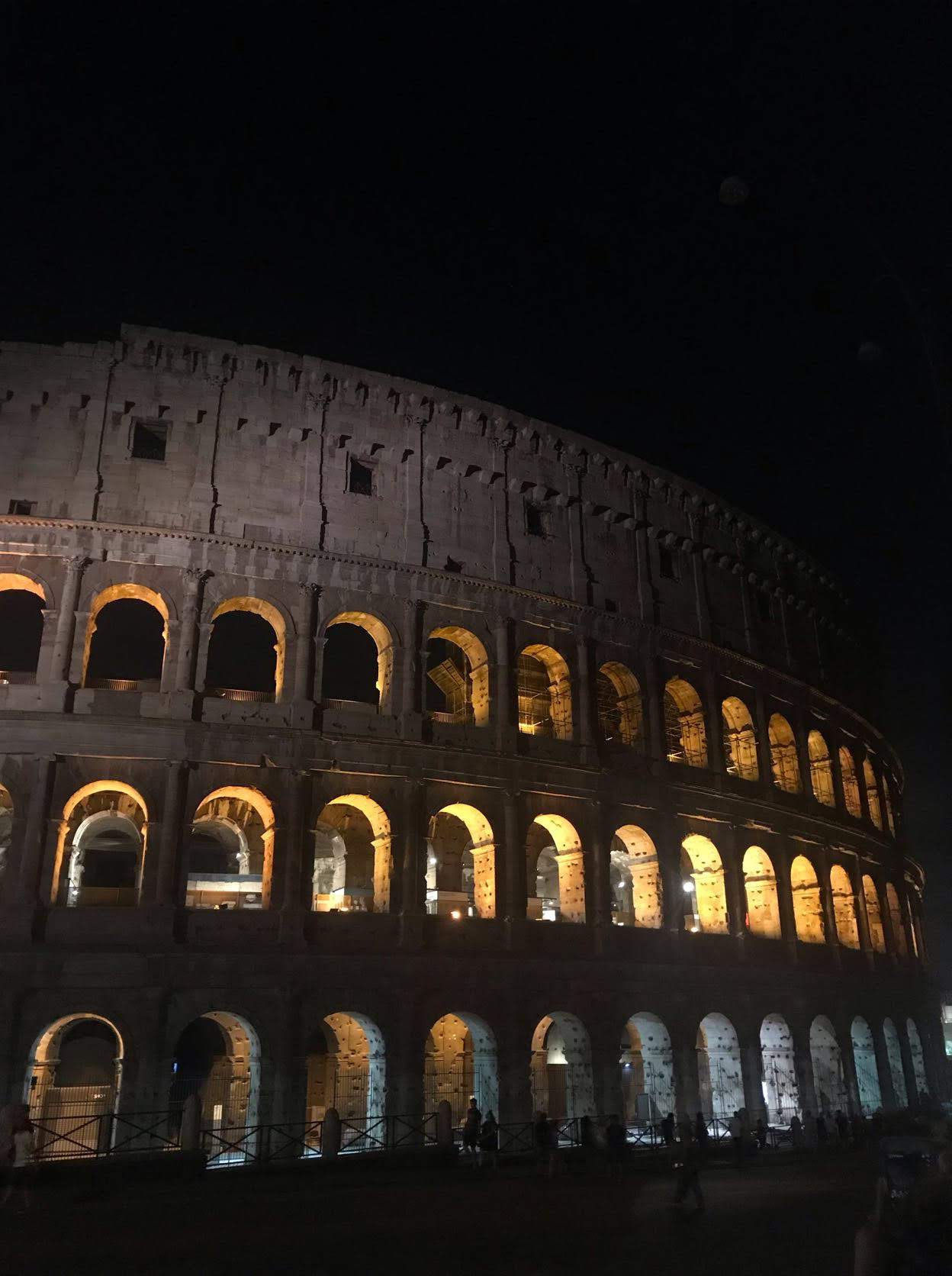
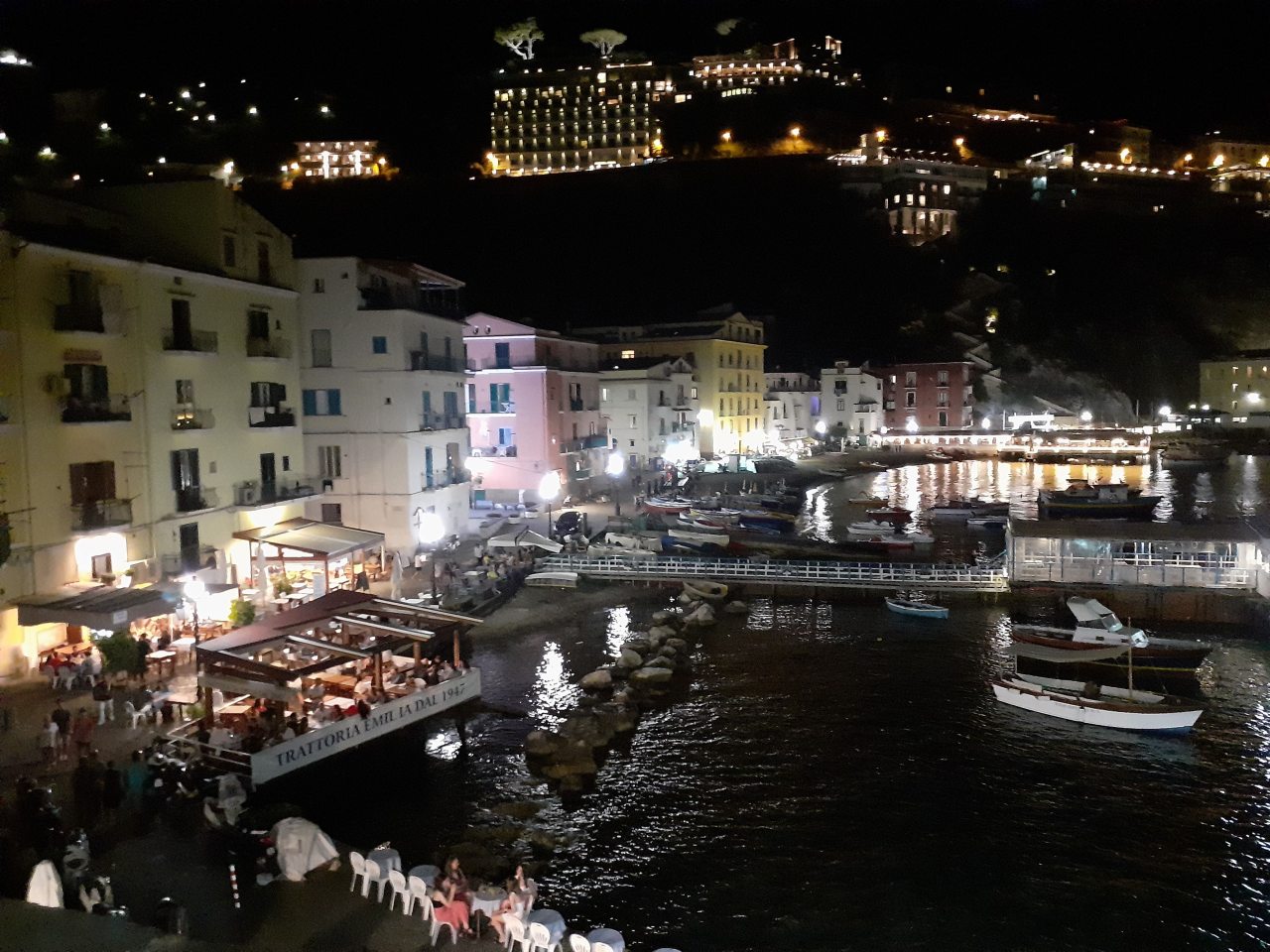
Buongiorno, tutto il mondo – dagli Stati Uniti, all’Italia, il paese piu bello del mondo, and welcome to the official “Bridging Cultures: Italy-USA” 2019 blog. Please meet our wonderful Wanderlusts, our Rams in Rome – i nostri ragazzi a Roma! This fascinating six-week-long summer education-abroad course in the Eternal City of Rome, Italy, focuses on theory, concepts, principles, research methods, and practical skills of communication with a global mindset. It explores concepts of intercultural and cross-cultural communication, construction, and negotiation of Italian identity (italianità), and the strategies of an effective dialogue with the Italian Other. It explores la vita italiana and makes us aware of what it means to be americani in Italia and provides us with aspirations and skills of becoming world citizens with a global, cosmopolitan and inclusive mindset. While the course Bridging Cultures equips us with theoretical tools, we set off on navigating contemporary Italy step by step: with all its natural beauty, cultural richness, and complex heritage.
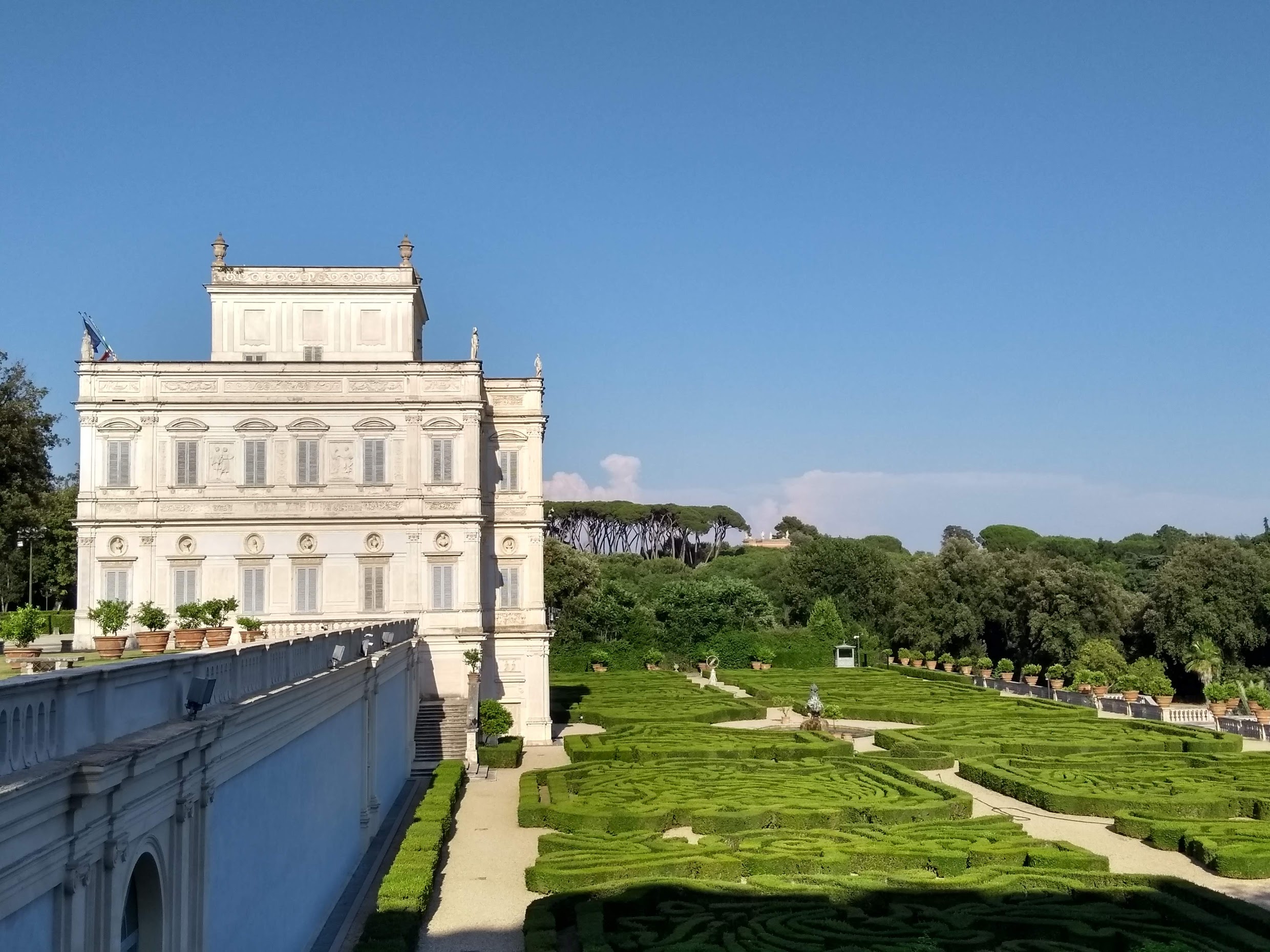
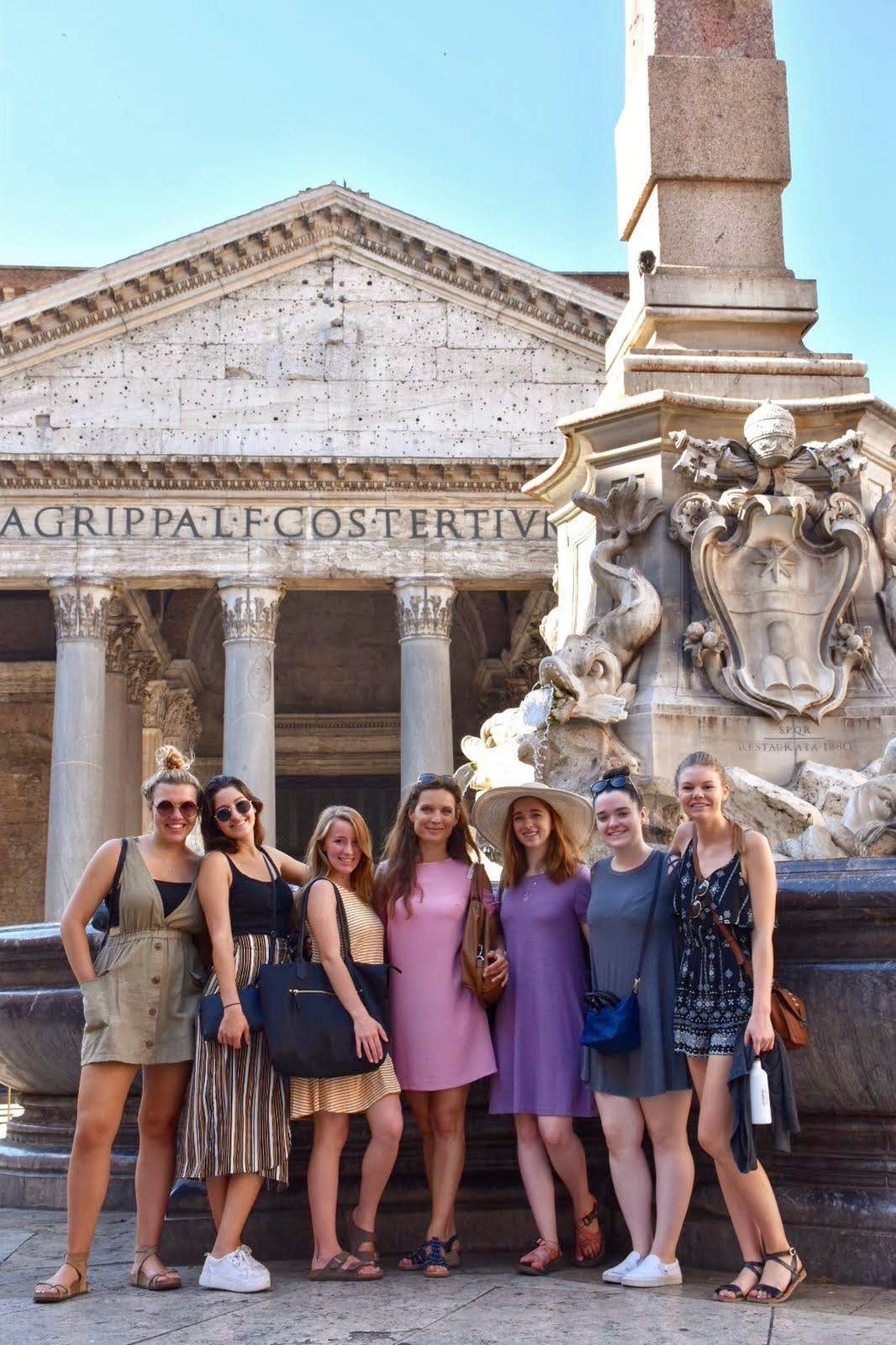
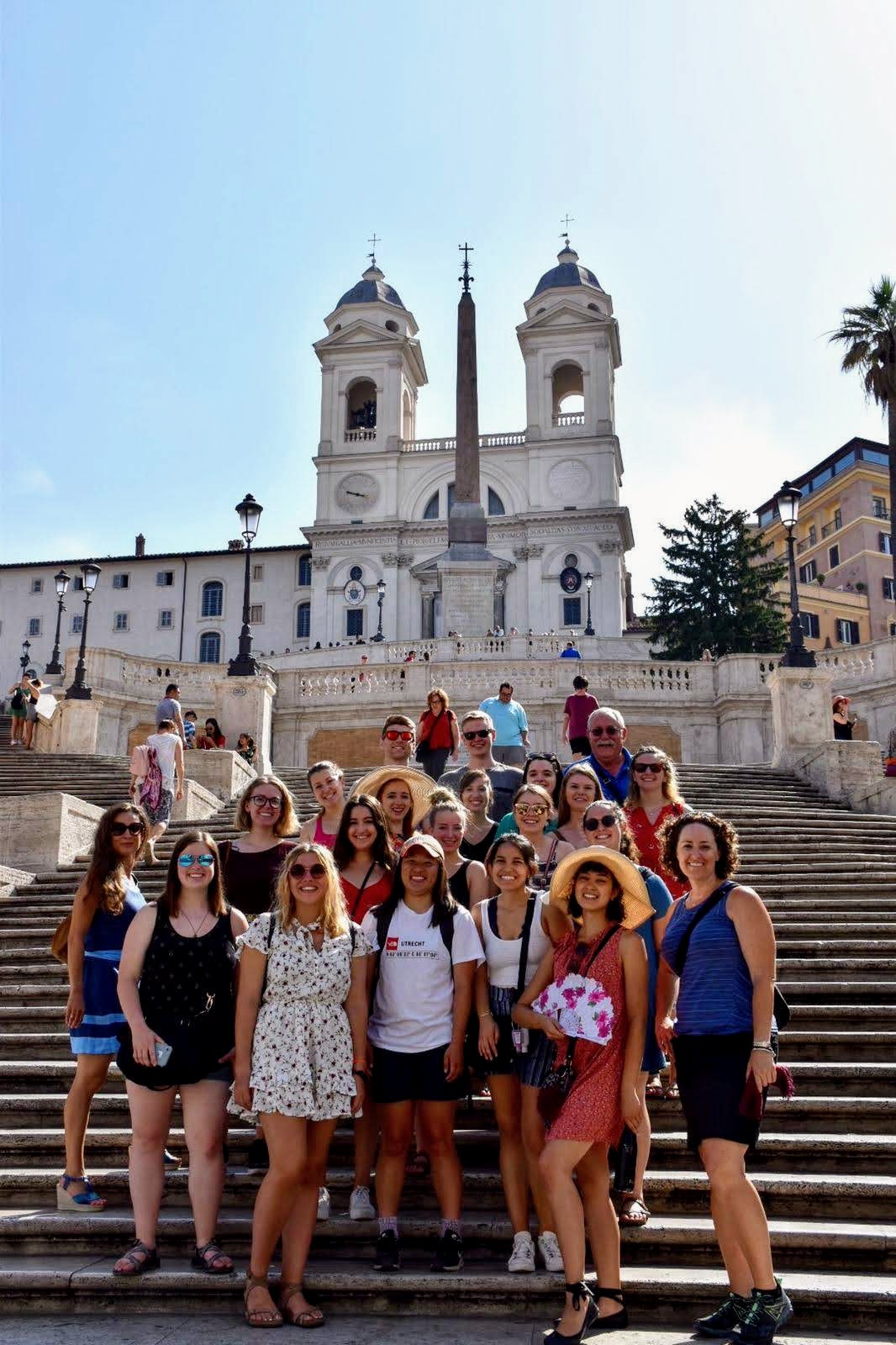
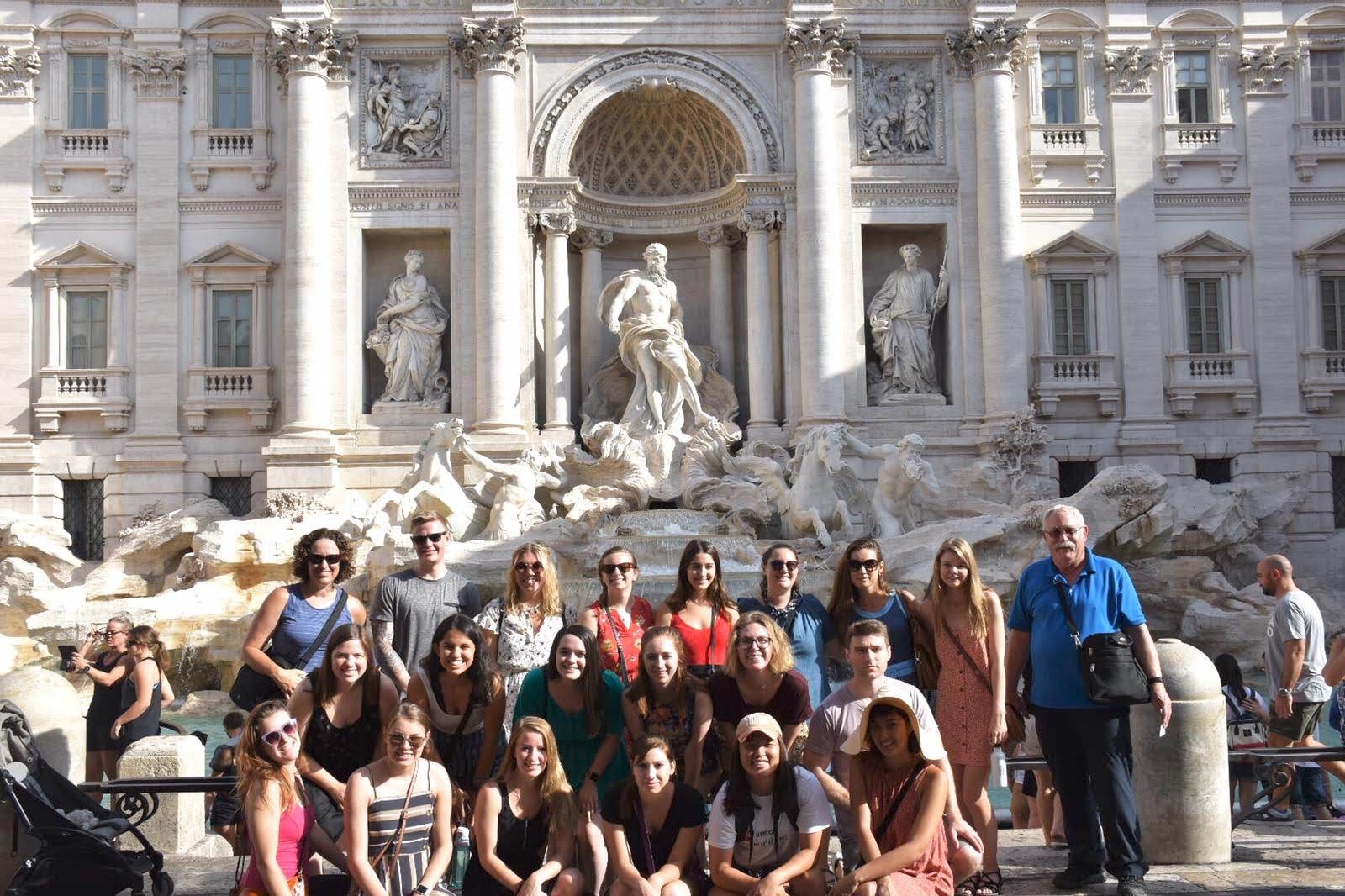
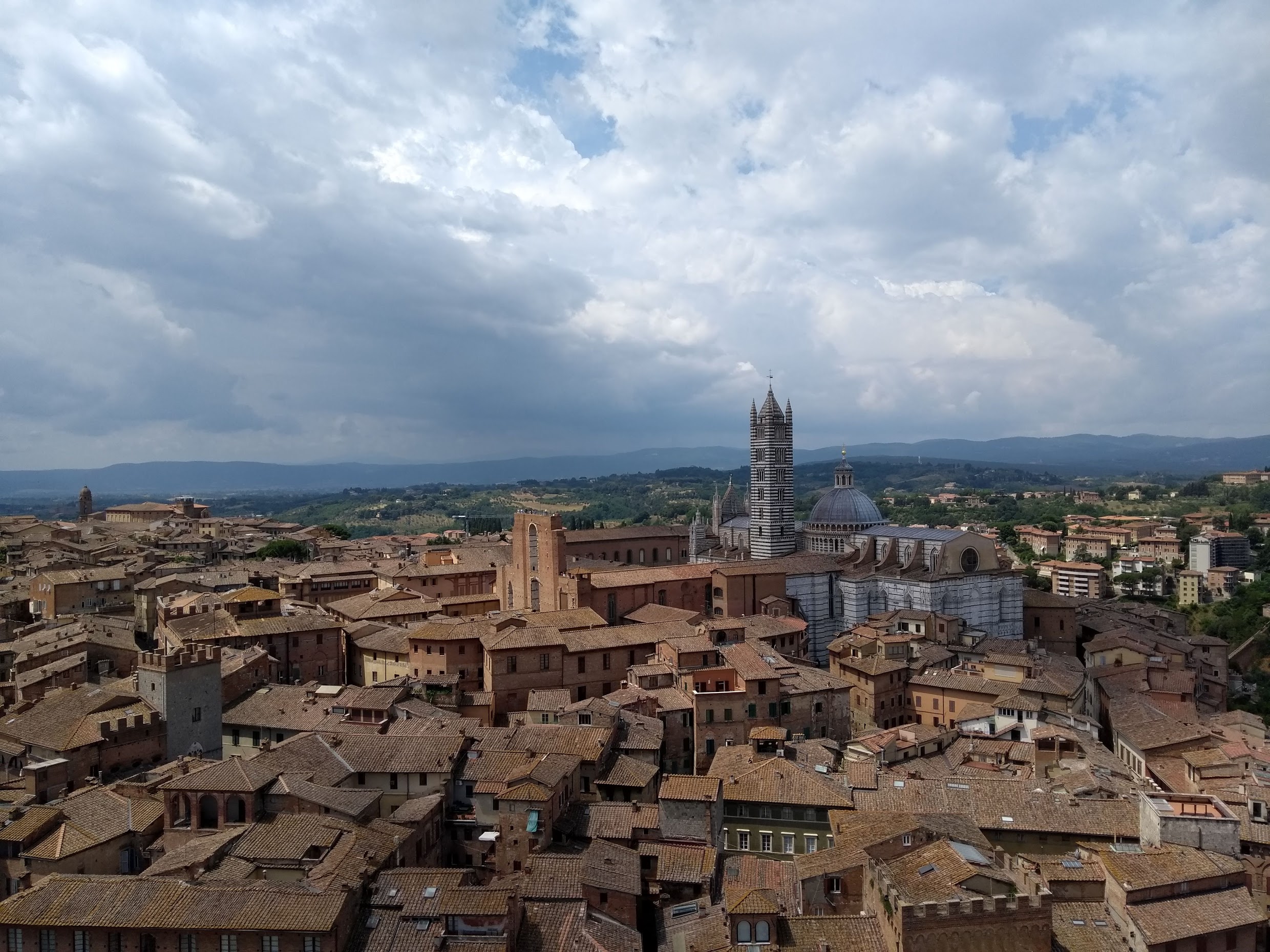
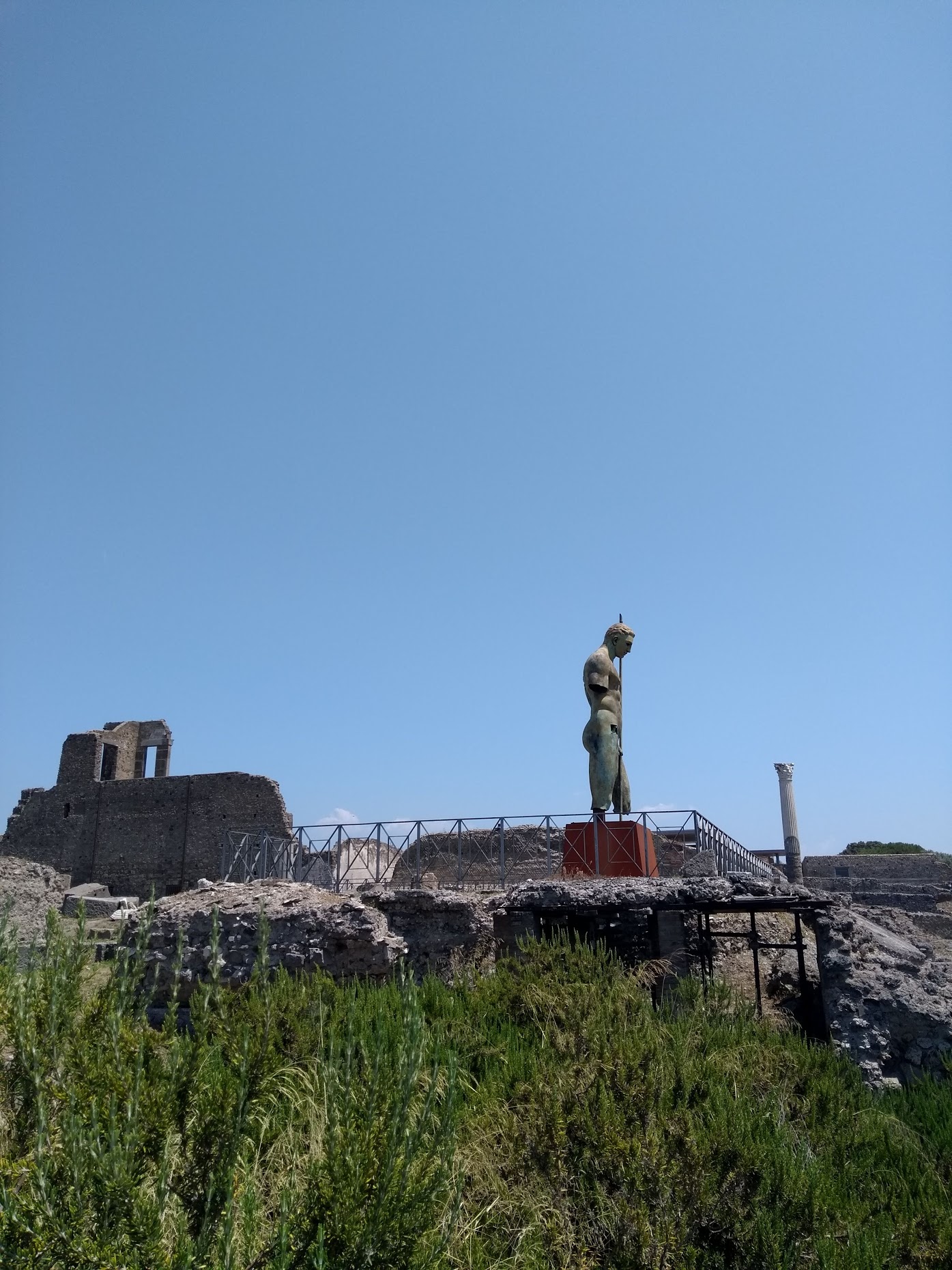
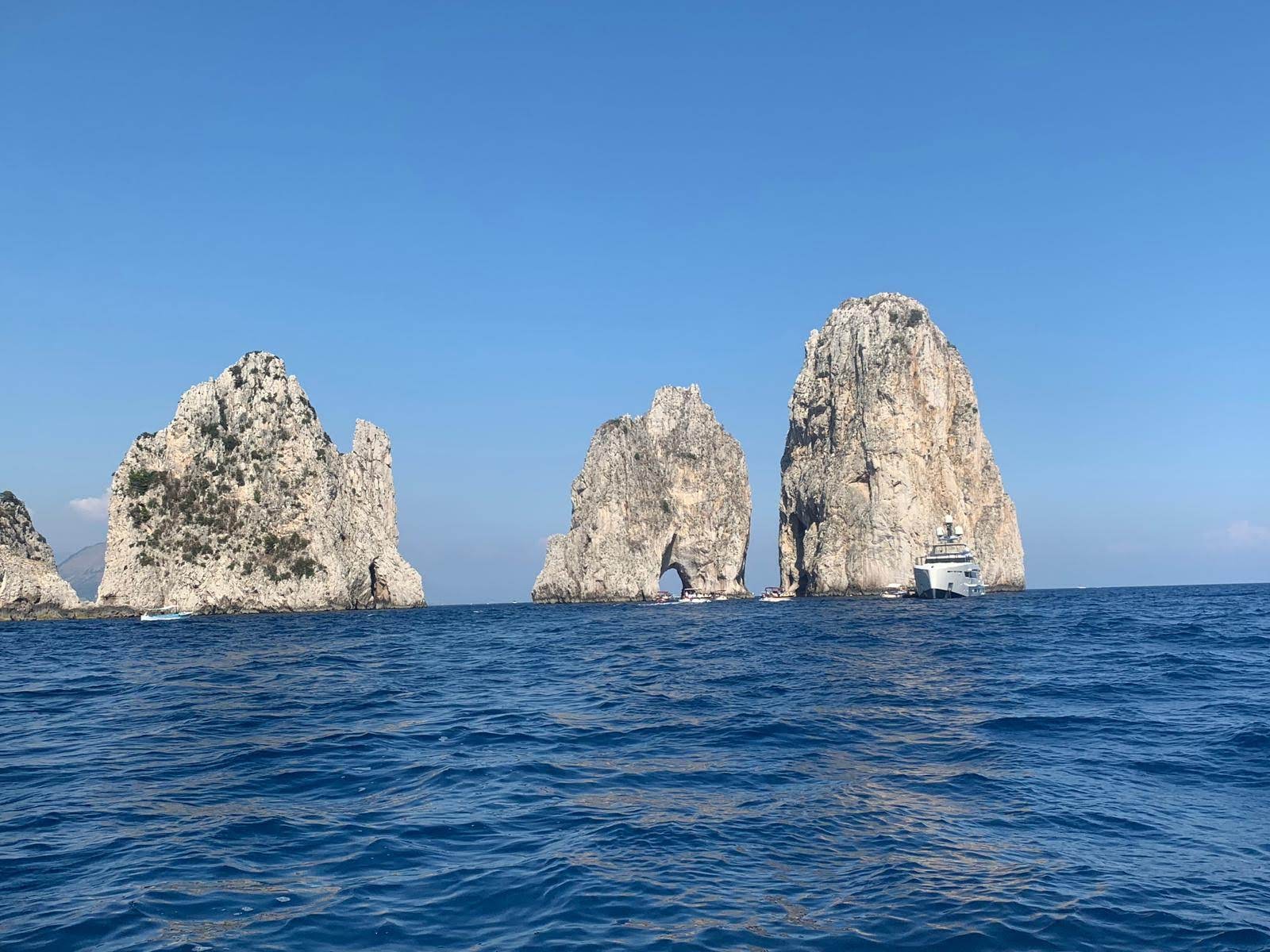
We explored the invigorating, romantic and majestic Tuscany (regal Florence, marvelous Siena, and breathtaking Trequanda), the vibrant and colorful Campania (the charming Sorrento, exquisite Capri, humbling Pomeii, and vivacious Naples), but, and, of course, Roma – its civilization, culture, and the city. We experienced various aspects of Italian life: the humbling rhetoric of materiality, the magnificent cuisine, the world of fashion and advertising, salient topics in Italian society such as the various facets of communication, cultural memory, patriarchy, masculinity and femininity, ideology, religious and political aspects, diversity, and regional characteristics. We engaged into critical self-reflexivity, and also explored culturally different others – with curiosity, compassion, and passion for learning. In short, we grew together and bridged cultures!
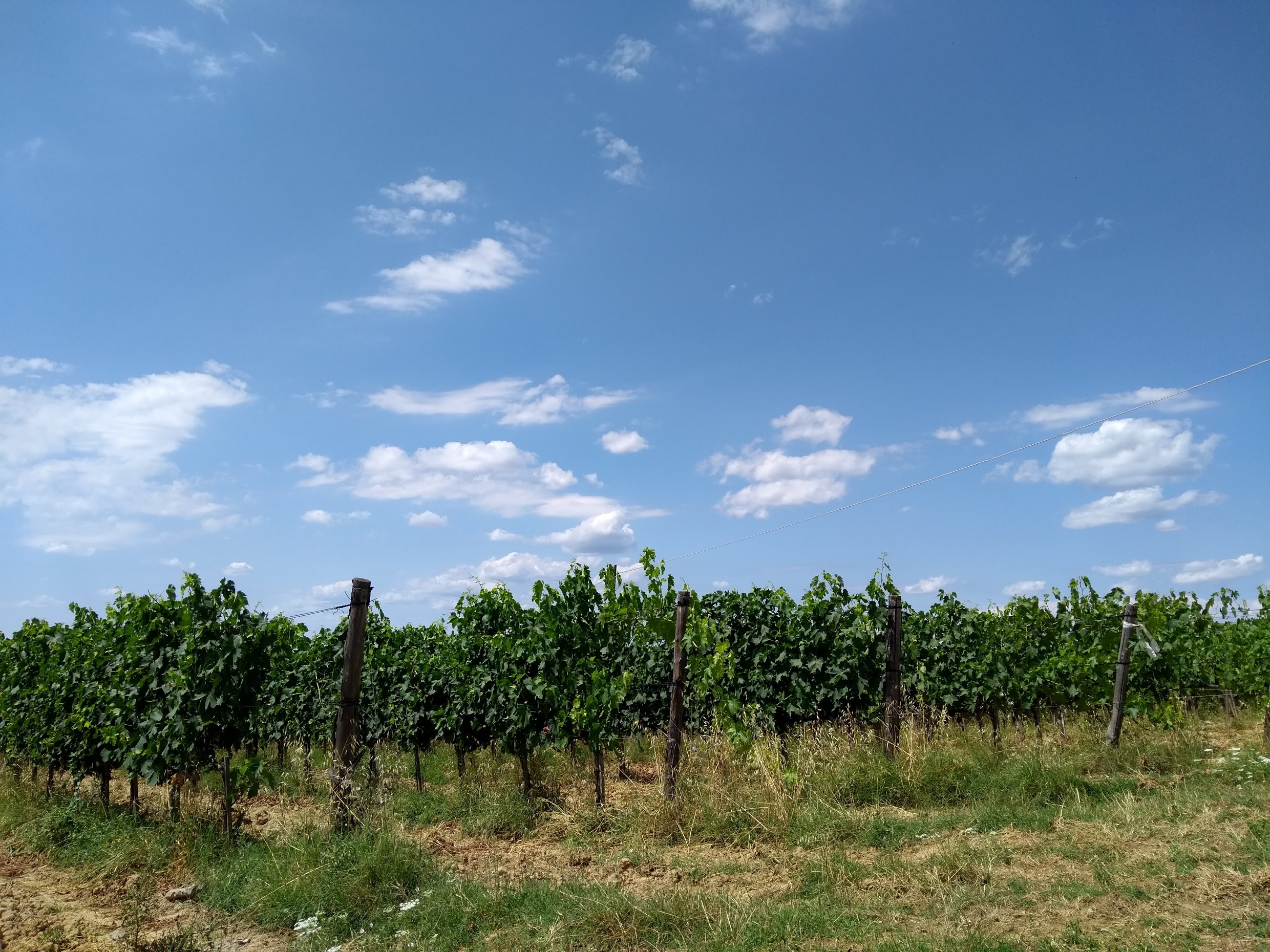
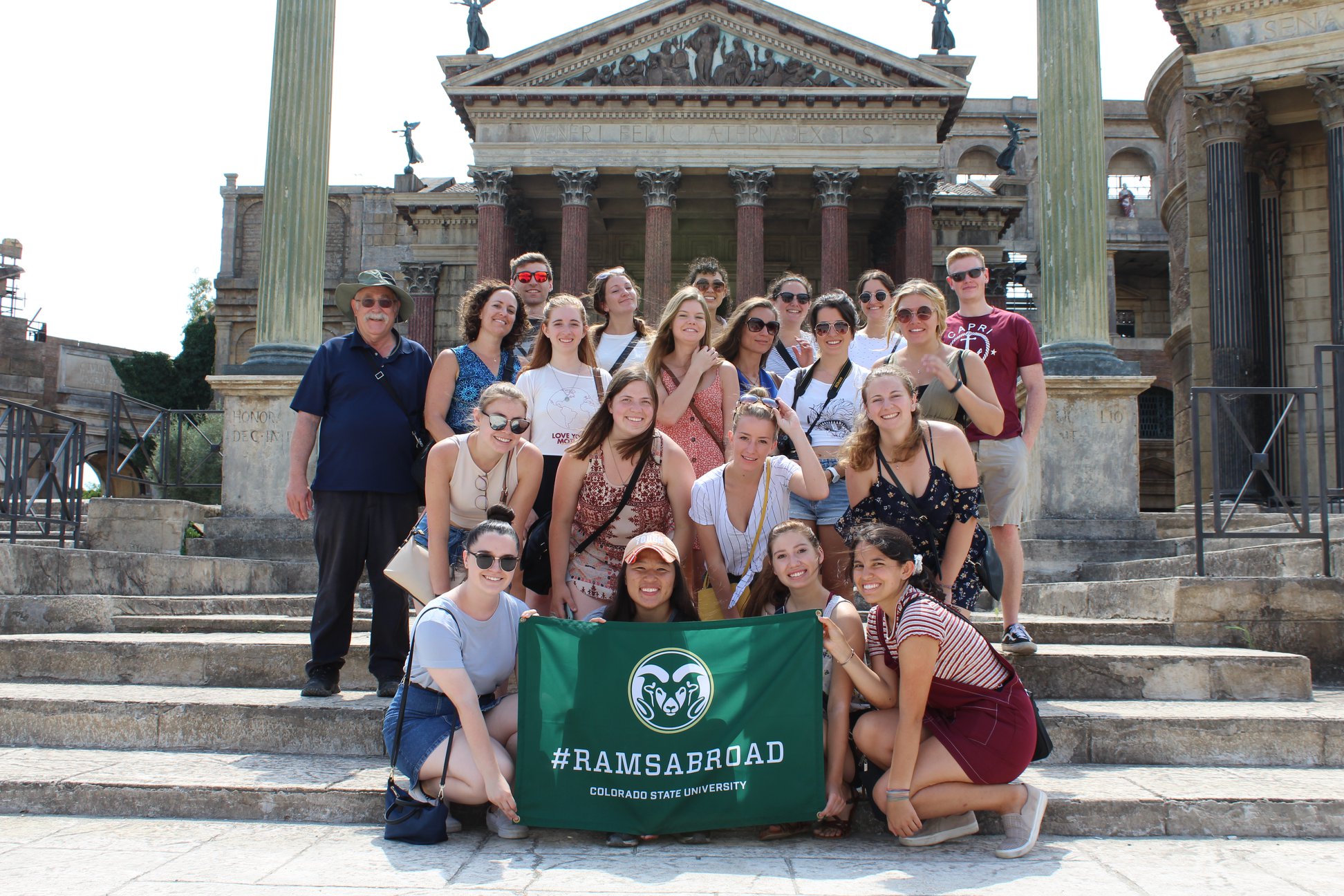
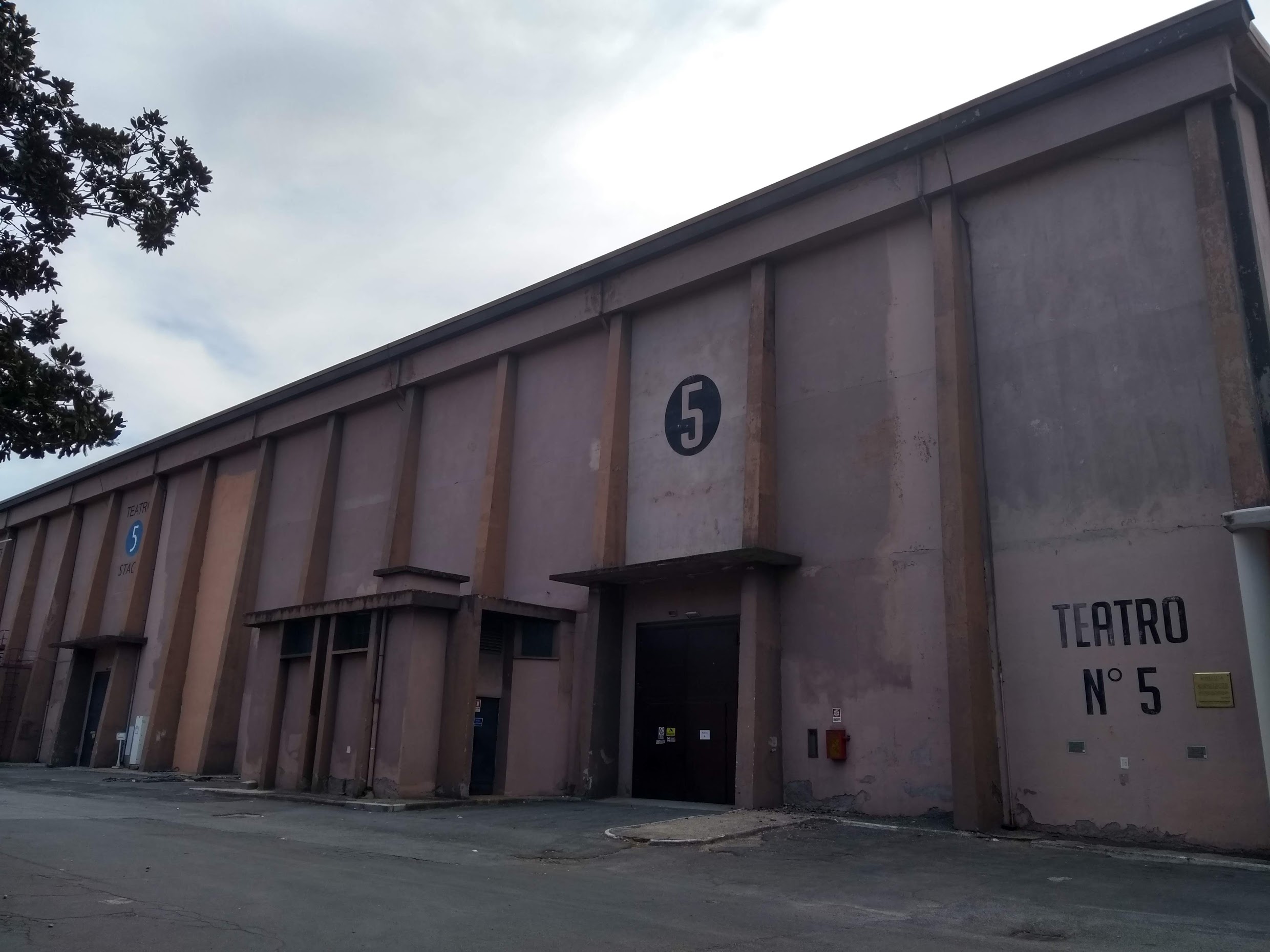
We also bridged the past and present, fiction and reality, by taking another fascinating course – Cinematic Rome. The course allowed us to analyze the social, aesthetic, political, and rhetorical implications of cinematic representations of the Eternal City, and silent films to the present. We evaluated and discussed various films, along with excerpts from a number of others, and explored Images of Ancient Rome; Rome Before and After World War II; “Americans” in Rome, and Rome in America; Fellini’s Rome; and Urban Angst, Roman Style. Passionate communication students, we dialogued with the city, focused on how Rome functions as a “character” in the movies, as well as how the Eternal City comprises the mise-en-scène, with all the majestic artistic representations of Roman monuments and streetscapes on movie sets, as opposed to location shooting. And – we remembered to honor memory and unique places and spaces – since Roma never ends….
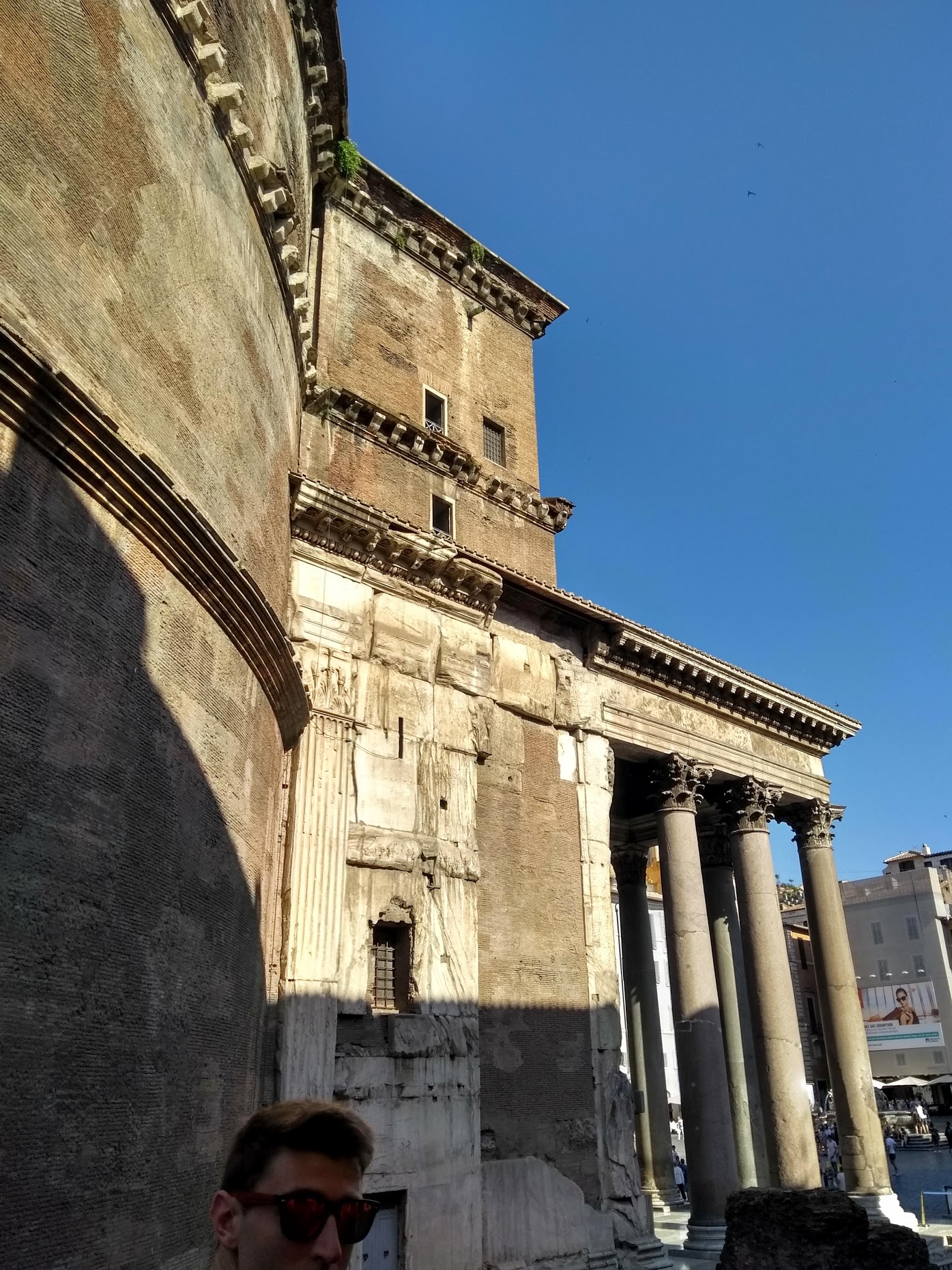
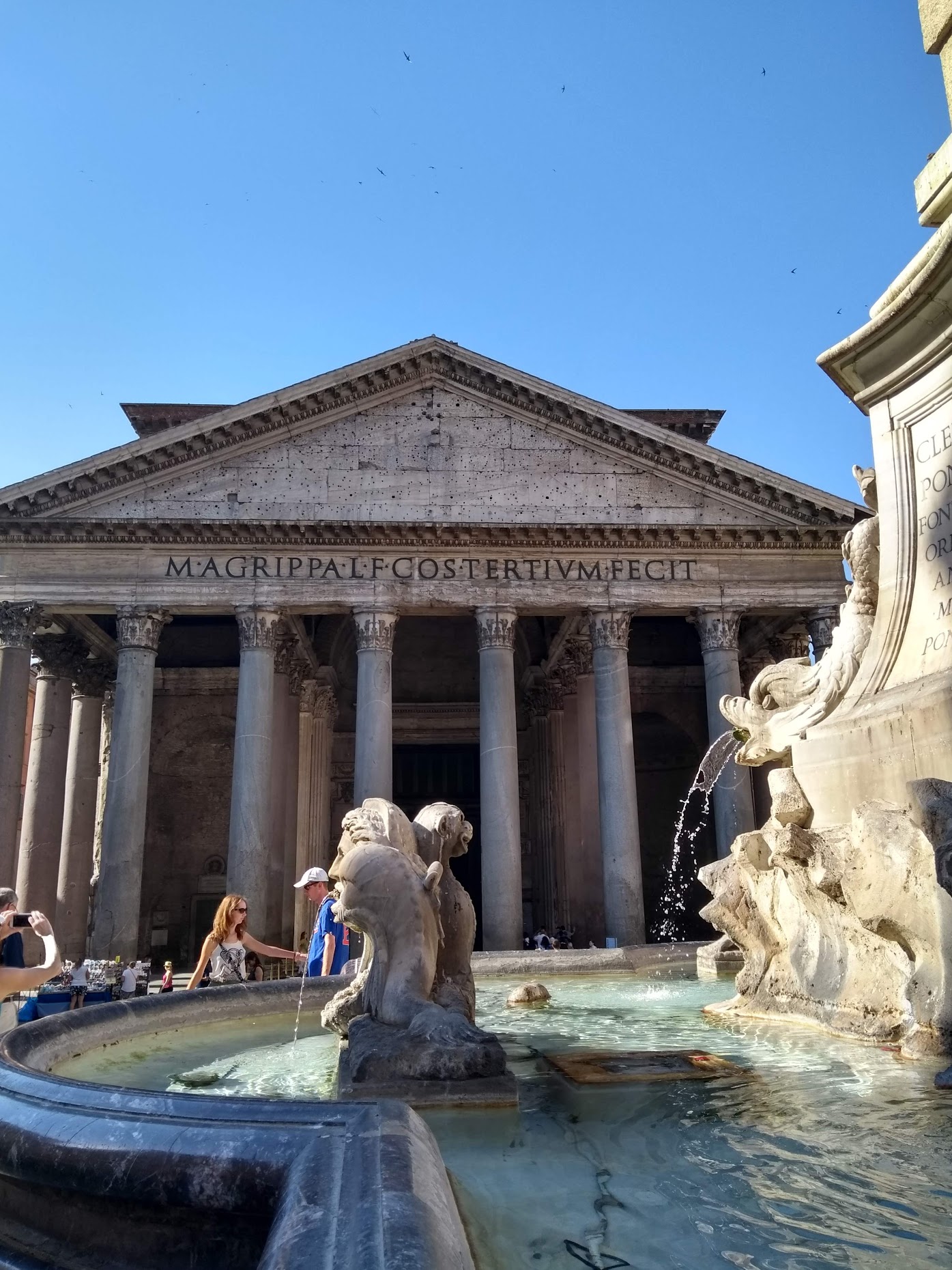
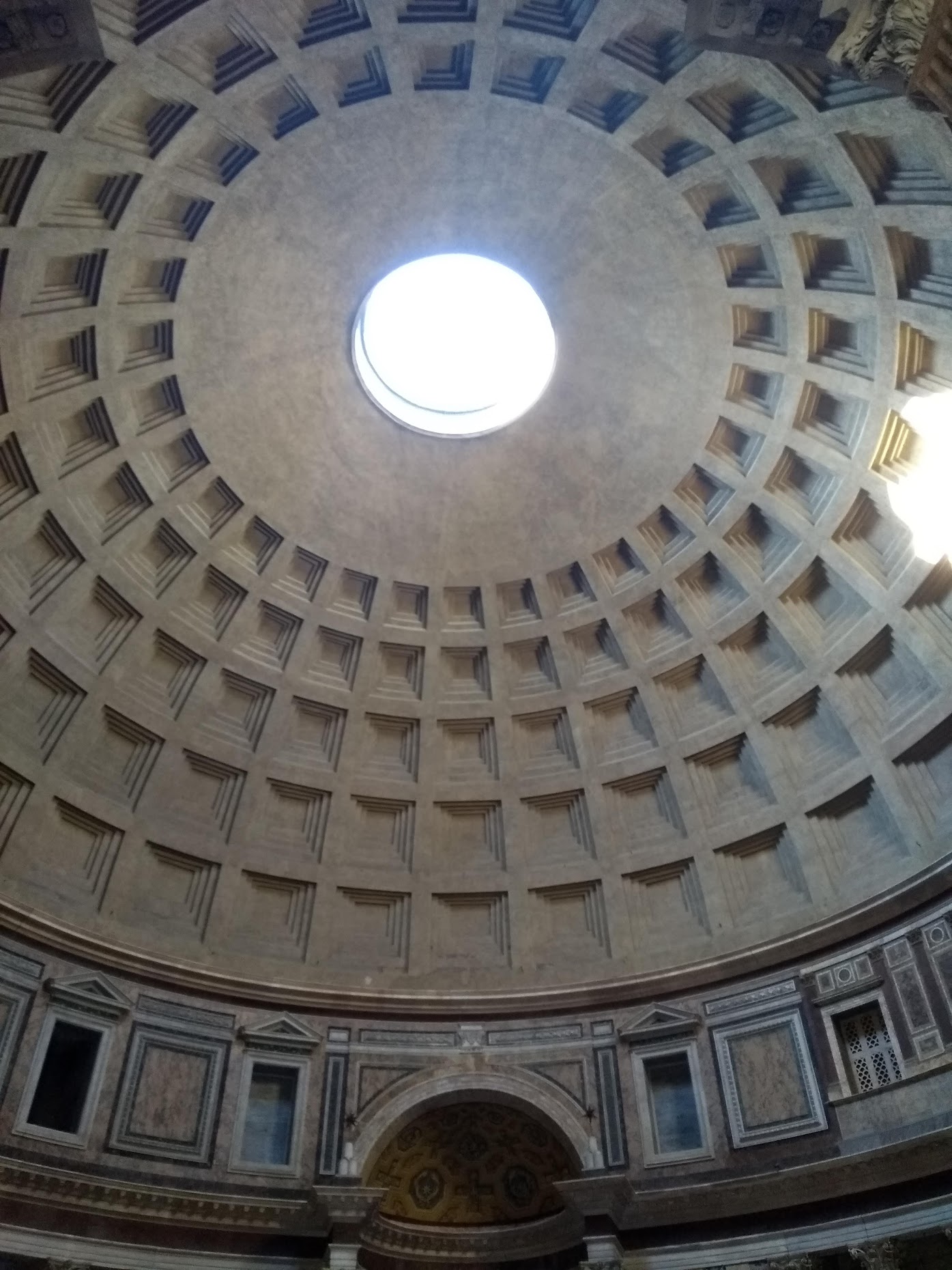
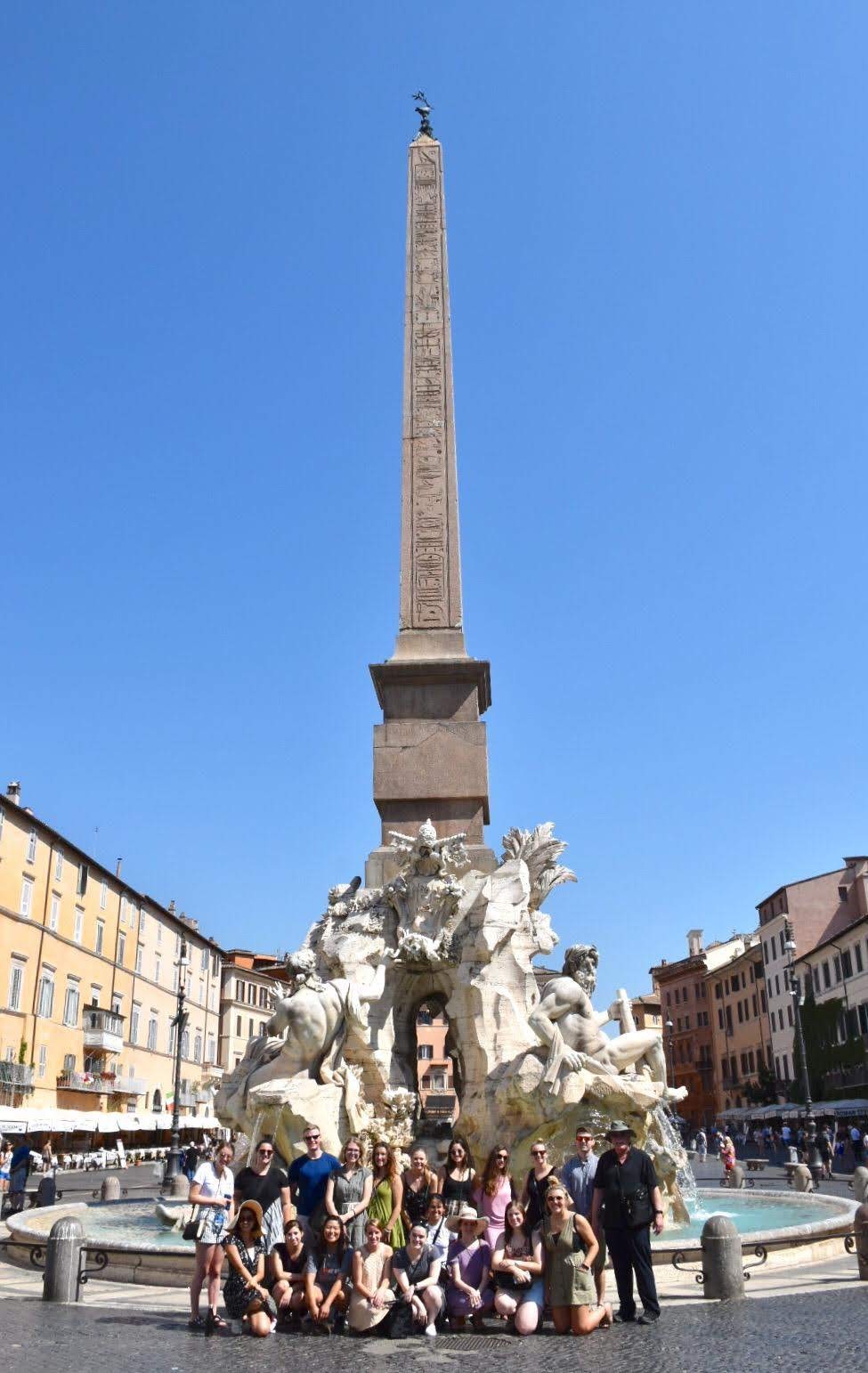
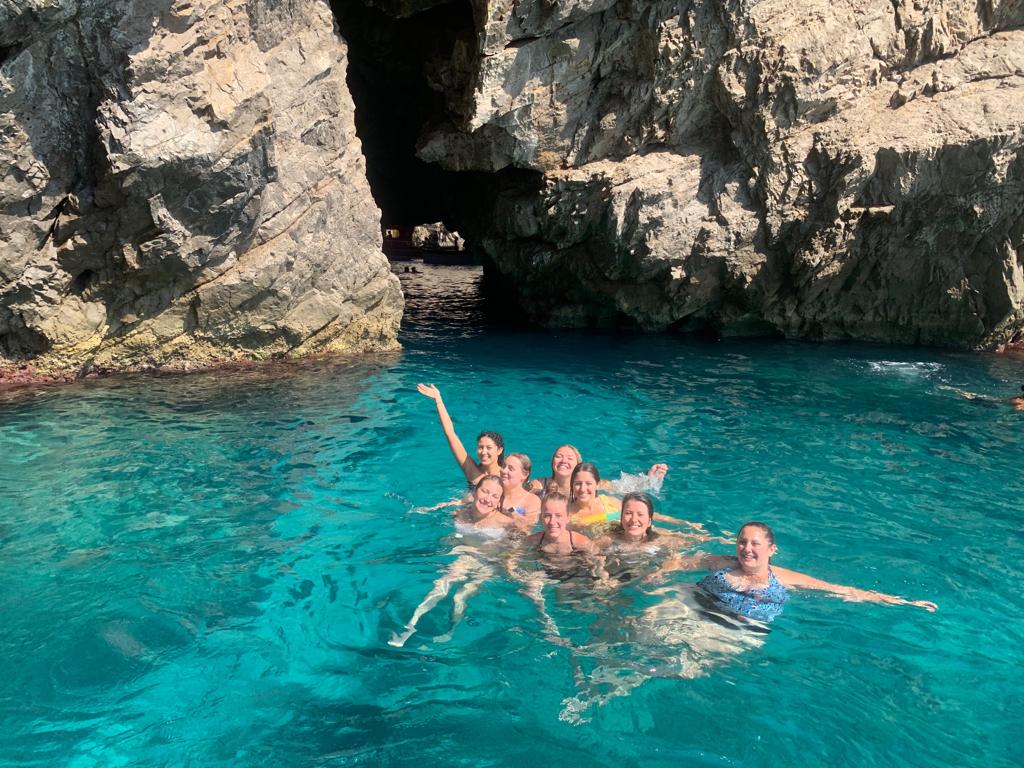
As a group, we grew and bonded into a caring and effective unit, in mirror image of a real famiglia italiana.
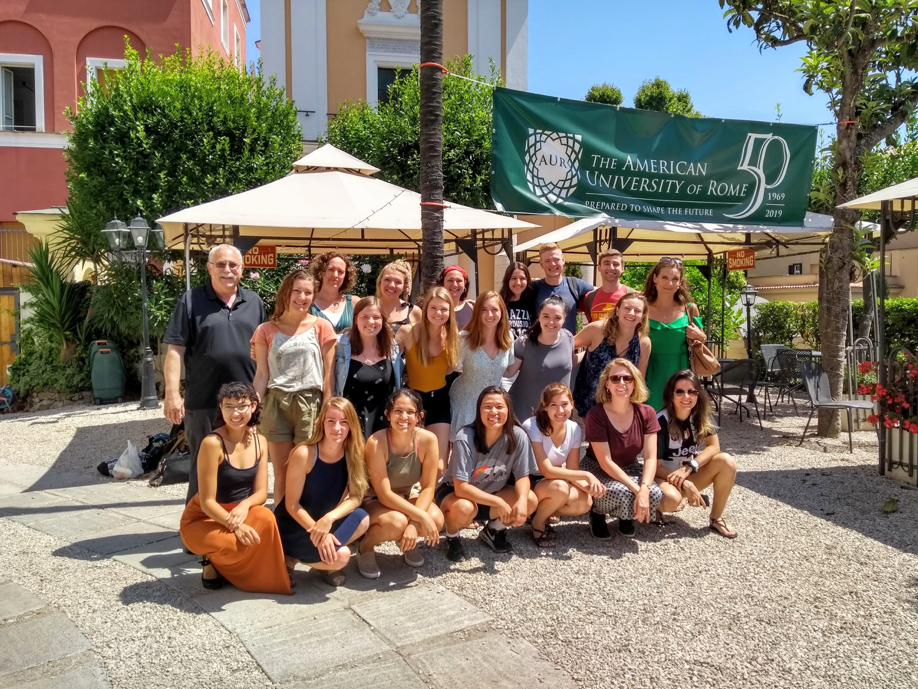
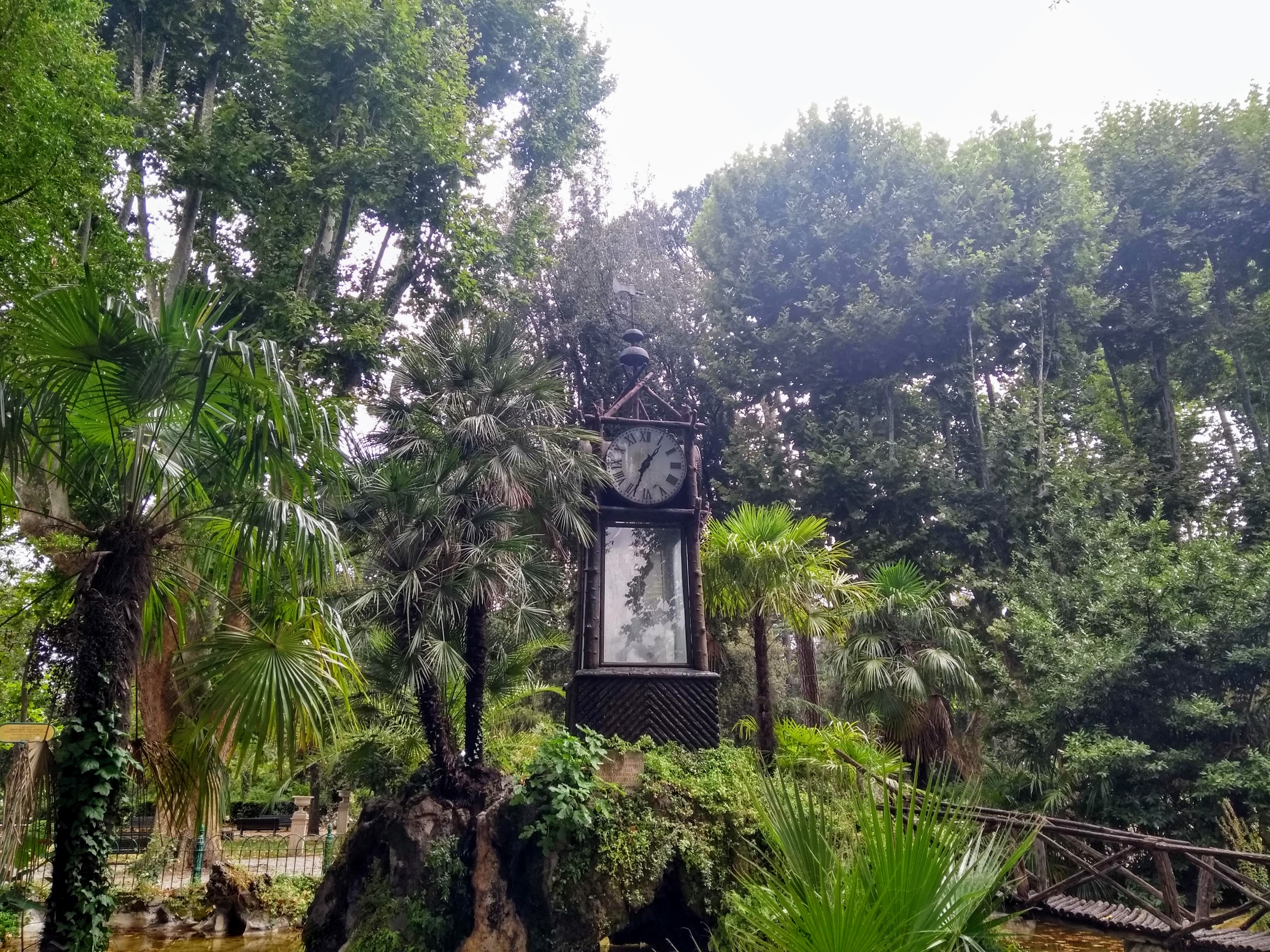
The aim of this fascinating and beautifully exhausting journey – of transforming the participants into culturally aware world travelers, with a heightened sense of comprehension of Italian national identity, intercultural communication, as well as a profound understanding of and appreciation for Italian cinema – was more than successfully reached: the individuals grew together as a group in a challenging environment that often pushed them past the boundaries of their comfort zones, and managed to link up all the empirical experiences gained with the theoretical tools learned. As professors, we were very fortunate and honored to be able accompany these beautiful minds along this fascinating journey to the world of the other.
We also engaged into several research projects, rooted in Italian cultural and cinematographic studies. We published “Pasolini and the women of Accattone: challenging eternal ragazzi in the Eternal City” (in Studies in European Cinema), an article analyzing the first film of Italian director, poet, and novelist Pier Paolo Pasolini. Our article provided a nuanced understanding of female characters in the film, explaining how they perform complex identities and fuse motherhood, prostitution, and womanhood, and by doing so, enable continuity of life in the Eternal City. In another article, “Exhibiting Italianità: Anna Magnani and Sophia Loren as Madri della Patria” (in Communication, Culture, and Critique), we analyzed how the temporary photographic exhibits of Anna Magnani in Rome and Sophia Loren in Sorrento serve as artifacts of creating, circulating, and negotiating italianità, the essence of Italian culture and national identity. We demonstrated how the respective exhibits communicate contrasting versions of italianità in order to subvert patriarchic tendencies in society, to withstand globalization and challenge pan-European transnationalism, and to create a strong sense of shared, yet diverse, identity by Italians, as well as manifesting national pride to the visitors of the Belpaese. Right now, we are collaborating again – this time, exploring the fascinating world of Roman architecture, and, specifically, the ideological legacy of EUR and its curious transformation from the cradle of fascism to the nest of fashion.
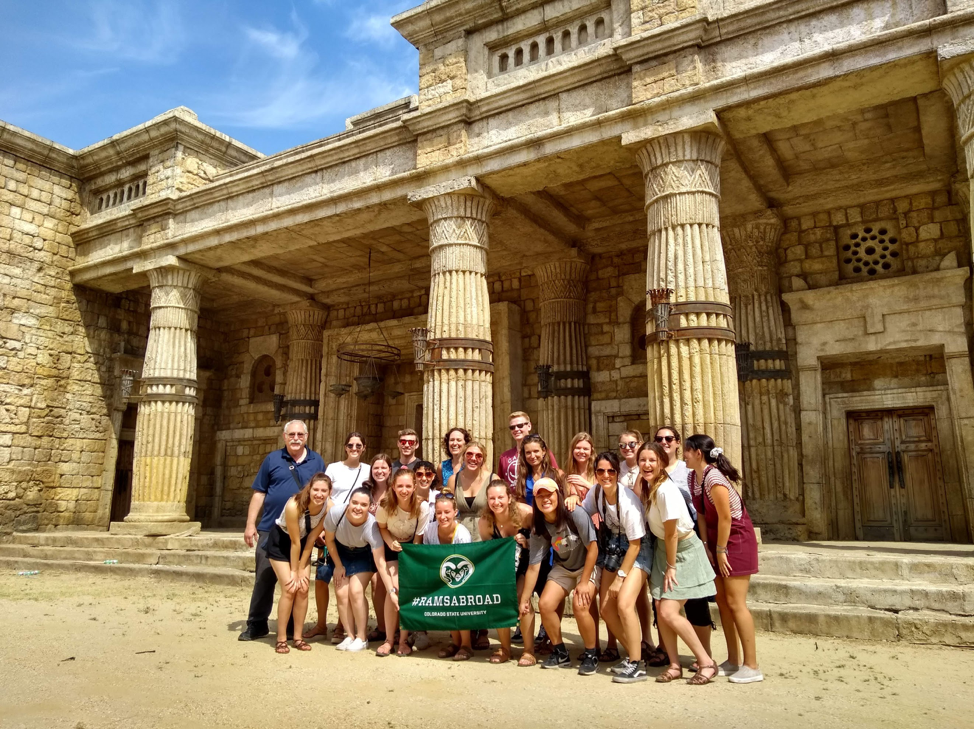
Allora – benvenuti in Italia!
About the Authors
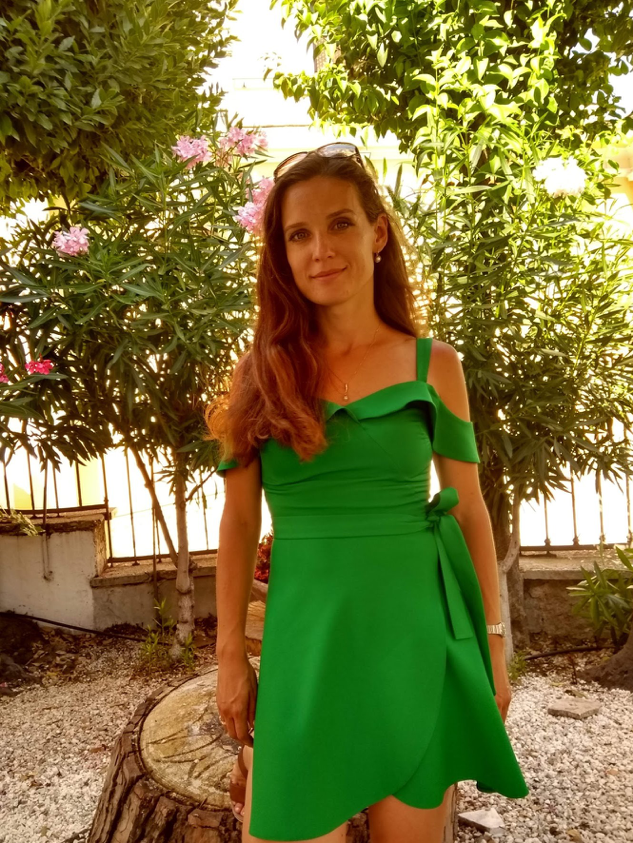
Julia Khrebtan-Hörhager (teaching Bridging Cultures) is professor of communication and a former lecturer of Italian and German studies, as well as global faculty, intercultural specialist, and co-director of global studies for the Semester at Sea spring 2018 voyage. Her research and teaching interests are in intercultural communication, European studies, conflict, transnational feminism, memory studies, and international cinematography. Also known by her students as la mamma chioccia, she greatly enjoys the experience of teaching and growing together during study abroad courses, and exploring one of the most culturally rich and endlessly colorful places on earth, Italy, with such brilliant young minds.
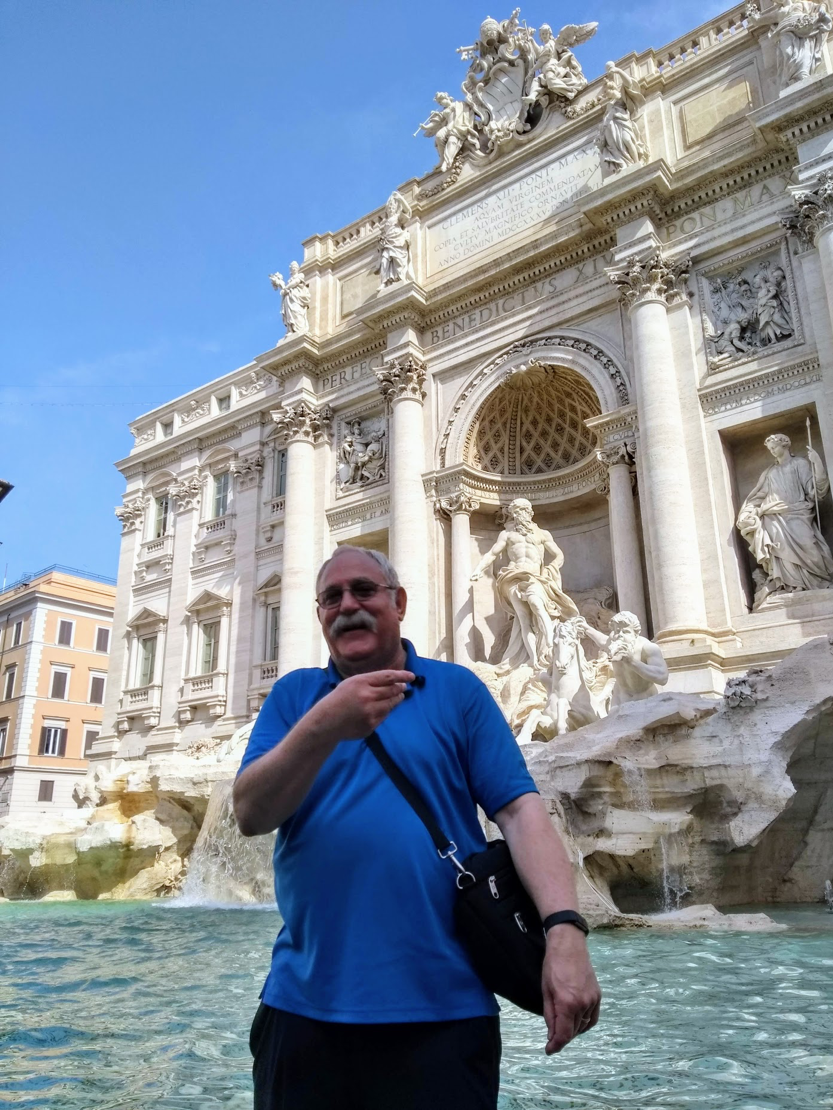
Carl R. Burgchardt (teaching Cinematic Rome) is professor of communication who has been a faculty member at Colorado State University since 1982. He teaches rhetorical criticism, United States public address, and media studies, with a special emphasis on film. Carl is an award-winning scholar, as well as an “Outstanding Professor” an “Outstanding Honors Academic Advisor,” and an “Outstanding Teacher.” Don Carlo has a special love of Italian culture, is an expert in the field of Italian cinematography, and is fluent in la bella lingua italiana. He greatly enjoys the experience of teaching this course with the beautiful minds, and together explore the Eternal City: its facts and fiction.
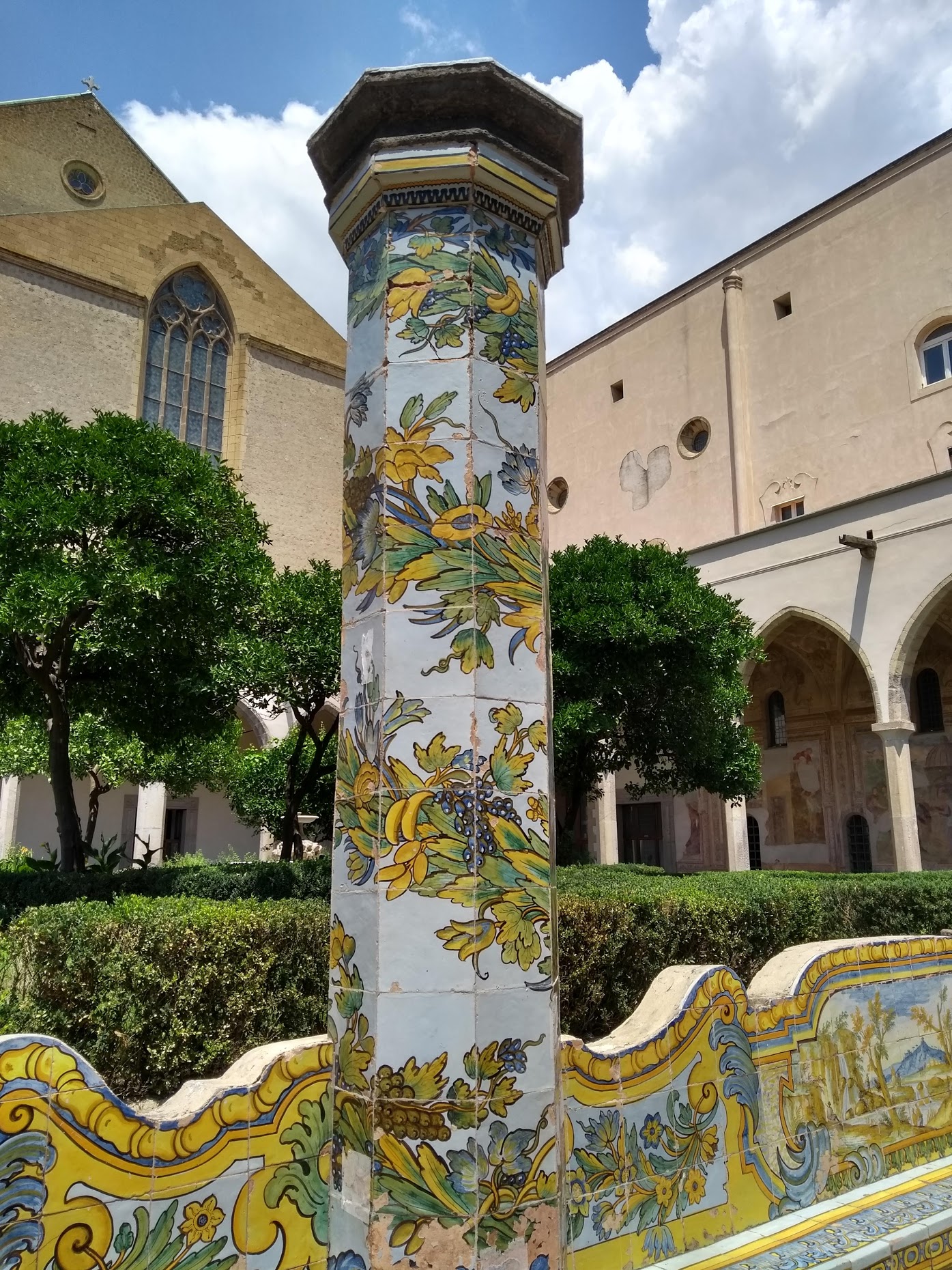
GRAZIE!
Grazie mille to Laura Thornes (Director, Education Abroad) as well as Aimee Jones and Emily Garner (Coordinators, Education Abroad). Grazie infinite to our wonderful and always supportive Greg Dickinson (Chair, Department of Communication) and the entire CSU team for the promotion and realization of the program. All roads lead to Rome. Sempre. Finally, grazie di tutto cuore to our Italian partners at the American University of Rome, and above all to our wonderful students, world-travelers eager to explore the fascinating world of the other and – amazing, courageous ragazzi and true world citizens by now!
Yours, Dr. B (aka Don Carlo or simply The Don) and Dr. J (aka Julia Caesar, or la Medusa)
 Ragazzi a Roma